Residential Spider Control & Web De-Webbing
While most spiders are beneficial predators that consume other insects, venomous species such as black widows and brown recluse present real health concerns for families and pets. Furthermore, heavy populations of cobweb and cellar spiders create unsightly webs on porches, eaves, basements, and garages. Professional spider control addresses both the spiders themselves and the underlying insect food supply that attracts them to your home.
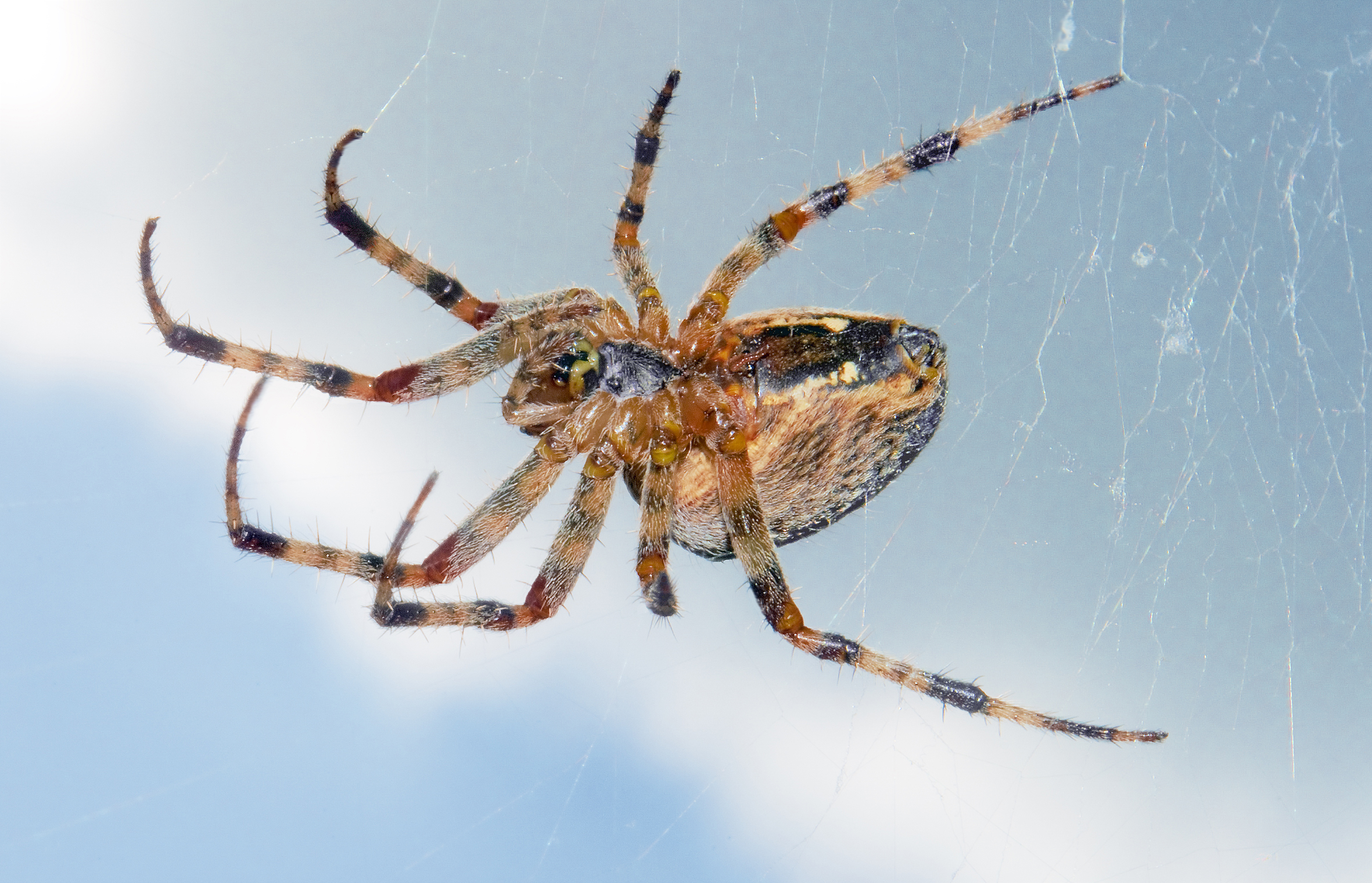
Warning Signs of Infestation
Early detection protects living spaces and structural wood before populations expand:
- Frequent web buildup around exterior eaves, entry lights, and window frames
- Irregular, disorganized webs in dark corners or crawlspaces (characteristic of black widows)
- Sightings of large wolf spiders moving rapidly across floorboards at night
- Silken egg sacs attached to furniture undersides, joists, or window sills
- Shed spider skins in attics or cardboard storage boxes
Common Causes & Attractants
Understanding the environmental vulnerabilities that draw pests to residential properties:
- High populations of night-flying insects attracted to exterior porch lights
- Clutter in basements, attics, garages, crawlspaces, and storage closets
- Gaps under doors, torn window screens, and unsealed foundation vents
- Dense shrubbery, ivy, and firewood piles directly contacting exterior siding
- Dark, undisturbed crawlspaces with high relative humidity
Professional Service & Eradication Procedure
Trained technicians utilize a multi-step protocol designed for thorough eradication and long-term prevention.
Thorough Property Inspection
Inspecting dark, undisturbed zones including crawlspaces, garages, storage rooms, eaves, and foundation perimeters for dangerous spider species.
High-Reach Exterior De-Webbing
Mechanical removal of webs, egg sacs, and resting spiders from soffits, gutters, entryways, and window trim using specialized extension poles.
Targeted Contact & Micro-Encapsulated Barrier
Applying long-lasting residual treatments to exterior foundation perimeters, window frames, and entry thresholds.
Interior Void & Crevice Dusting
Precision dusting of crawlspaces, unfinished basements, and behind baseboards where spiders ambush prey.
Food Source Abatement
Treating auxiliary insect populations to strip spiders of their primary sustenance.
Homeowner Action Checklist
Practical steps property owners can take to prevent re-infestation:
- Store basement and attic items in sealable plastic totes instead of cardboard boxes
- Shake out footwear, gardening gloves, and clothing stored in garages before wearing
- Keep exterior lighting switched to yellow warm-spectrum or motion-activated bulbs
- Vacuum beneath beds, behind heavy furniture, and along basement corners regularly
- Seal foundation pipe penetrations and replace worn door sweeps
Professional Safety Warnings
Critical safety protocols for residents, children, and pets:
- Never reach blindly into dark storage spaces, woodpiles, or unlit crawlspaces
- Seek prompt medical evaluation if bitten by a suspected black widow or brown recluse spider
- Avoid crushing unknown spiders with bare hands or feet
Frequently Asked Questions About Spider Control
Related Pest Control Services
Need Professional Spider Control Today?
Speak with local pest control specialists who can evaluate your property and deploy proven eradication solutions.
Click to call directly on mobile
Spider Control Available Across All 50 States
Explore local pest pressure and city services in your state: