Professional Termite Treatment & Structural Protection
Termites cause billions of dollars in structural property damage each year across the United States—damage rarely covered by standard homeowners insurance policies. Subterranean termites build mud shelter tubes from the soil into wooden framing, silently consuming cellulose structural timbers from the inside out. Professional termite management combines non-repellent liquid soil treatments, in-ground monitoring bait networks, and direct wood void treatments to eliminate entire colonies and protect structural equity.
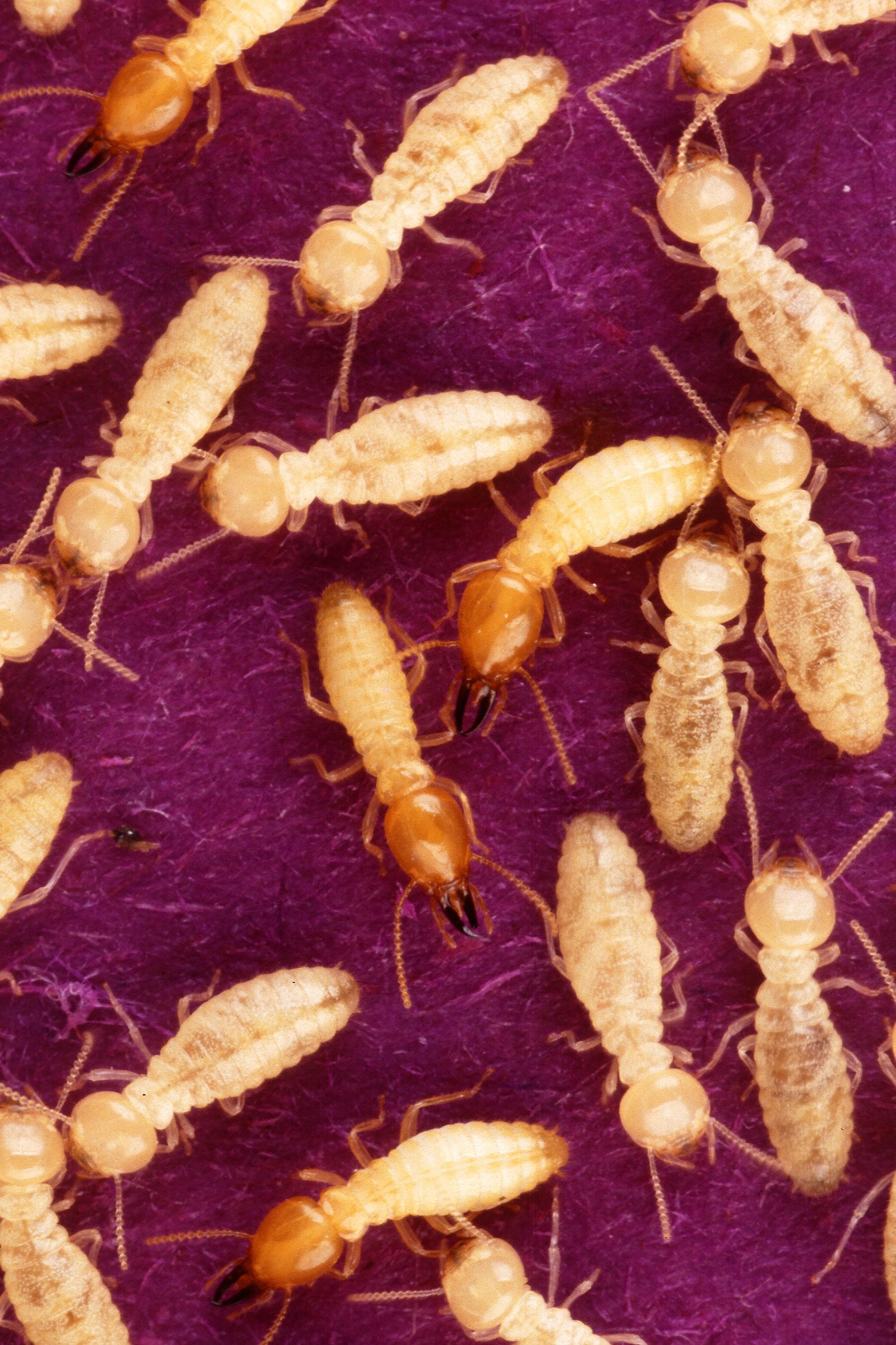
Warning Signs of Infestation
Early detection protects living spaces and structural wood before populations expand:
- Mud tubes winding up foundation walls, support piers, or floor joists
- Swarms of winged reproductive termites inside your home or near exterior lights in spring
- Discarded, silvery insect wings of identical length accumulated on window sills
- Hollow-sounding wood when tapped with a screwdriver or hammer
- Bubbling paint or drywall resembling water damage without an active plumbing leak
Common Causes & Attractants
Understanding the environmental vulnerabilities that draw pests to residential properties:
- Direct wood-to-ground contact around porches, decks, siding, or fence posts
- Excessive soil moisture from air conditioning condensation or poor roof drainage
- Mulch and landscaped garden beds resting against foundation siding
- Buried construction debris or old tree roots near the foundation footer
- Cracks in concrete foundation slabs providing subterranean access
Professional Service & Eradication Procedure
Trained technicians utilize a multi-step protocol designed for thorough eradication and long-term prevention.
Comprehensive Termite Structural Inspection
Exhaustive examination of crawlspaces, basement sills, slab expansion joints, garage walls, and exterior perimeters with moisture meters and sounding tools.
Non-Repellent Liquid Soil Treatment
Trenching and precision rodding of exterior soil along foundation walls with advanced non-repellent termiticides that termites pass to the nest.
In-Ground Bait Station Network Installation
Placing secure termite bait stations every 10 to 12 feet around the property perimeter to intercept subterranean foraging colonies.
Targeted Slab & Masonry Void Injection
Drilling and treating expansion joints, sub-slab plumbing entries, and brick veneers to create an unbroken barrier.
Annual Warranty Re-Inspection Program
Routine annual assessments to inspect bait consumption, evaluate barrier continuity, and confirm zero active termite activity.
Homeowner Action Checklist
Practical steps property owners can take to prevent re-infestation:
- Ensure soil and mulch levels stay at least 6 inches below exterior siding and weep holes
- Direct gutters, downspouts, and AC condensate drain lines away from the foundation
- Eliminate all wood-to-earth contact on decks, fences, and outdoor steps
- Promptly repair plumbing leaks in crawlspaces and basements
- Never stack firewood, lumber, or cardboard against exterior walls
Professional Safety Warnings
Critical safety protocols for residents, children, and pets:
- Never disturb active mud tubes or spray them with surface aerosol insecticides, as this causes termites to reroute deeper into framing
- Only licensed structural pest applicators with specialized equipment should perform sub-slab drilling and high-volume termiticide injections
- Verify that termite products are applied strictly according to EPA label requirements
Frequently Asked Questions About Termite Treatment
Related Pest Control Services
Need Professional Termite Treatment Today?
Speak with local pest control specialists who can evaluate your property and deploy proven eradication solutions.
Click to call directly on mobile
Termite Treatment Available Across All 50 States
Explore local pest pressure and city services in your state: