Professional Mosquito Control & Outdoor Yard Defense
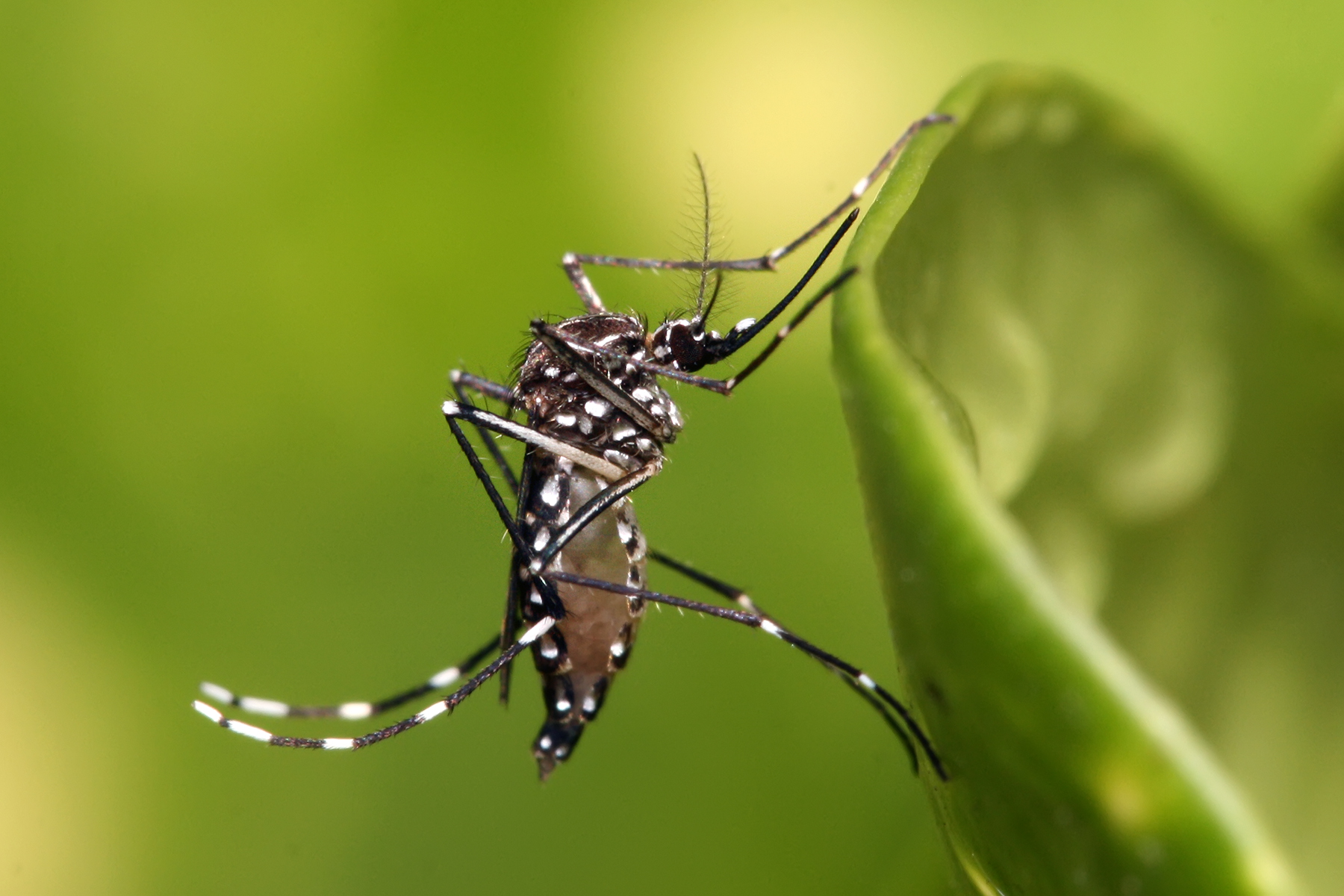
Mosquitoes are more than just an outdoor nuisance that ruins barbecues and family gatherings; they are public health vectors capable of transmitting West Nile virus, Eastern equine encephalitis, and Zika virus. Female mosquitoes require stagnant water to lay eggs and resting shade in tall foliage during peak midday heat. Professional mosquito control attacks populations at both the larval aquatic stage and the adult resting stage.
Warning Signs of Infestation
Early detection protects living spaces and structural wood before populations expand:
- Inability to spend time outdoors during dawn and dusk without receiving bites
- High concentrations of resting mosquitoes flying out of shrubs when bumped or trimmed
- Visible mosquito larvae (wrigglers) squirming in bird baths, rain barrels, or water buckets
- Swarms of mosquitoes buzzing around covered porches, decks, or entryways
- Complaints of bites from neighbors within close proximity
Common Causes & Attractants
Understanding the environmental vulnerabilities that draw pests to residential properties:
- Stagnant water in clogged rain gutters, bird baths, plant saucers, and unmaintained pools
- Overgrown shrubbery, dense ivy, and tall ornamental grasses providing shaded resting zones
- Poor yard drainage causing pooling along property lines after rainstorms
- Hollow tree stumps or discarded tires collecting standing rainwater
- Proximity to natural marshlands, retention ponds, or drainage canals
Professional Service & Eradication Procedure
Trained technicians utilize a multi-step protocol designed for thorough eradication and long-term prevention.
Property Water Source Inspection
Locating and assessing all potential breeding sites including gutters, drainage basins, decorative ponds, and hidden containers.
Targeted Larvicide Treatment
Applying organic bacterial larvicides (such as Bti) to standing water that cannot be drained, preventing mosquito larvae from emerging into biting adults.
Foliage & Perimeter Barrier Spraying
Using professional backpack misters to treat the undersides of leaves, tall grasses, dense shrubbery, and shaded deck perimeters with micro-encapsulated residuals.
Source Reduction Recommendations
Advising homeowners on grading improvements, gutter cleaning, and drainage solutions to eliminate persistent water pooling.
Scheduled Monthly Maintenance
Re-applying treatments every 21 to 30 days throughout the active spring and summer mosquito season.
Homeowner Action Checklist
Practical steps property owners can take to prevent re-infestation:
- Empty standing water from flowerpots, bird baths, pet dishes, and toys every 3 to 5 days
- Keep gutters clean and unclogged so rainwater flows freely through downspouts
- Keep lawn grass mowed short and prune dense ornamental shrubs back from patio edges
- Maintain pool water circulation and chemical filtration systems
- Store wheelbarrows, buckets, and water cans upside down when not in use
Professional Safety Warnings
Critical safety protocols for residents, children, and pets:
- Allow yard barrier sprays to dry completely (usually 30 to 45 minutes) before letting pets or children onto the lawn
- Avoid spraying flowering plants during active honeybee pollination hours
- Do not apply chemical insecticides into natural fish-bearing streams or ponds
Frequently Asked Questions About Mosquito Control
Related Pest Control Services
Need Professional Mosquito Control Today?
Speak with local pest control specialists who can evaluate your property and deploy proven eradication solutions.
Click to call directly on mobile
Mosquito Control Available Across All 50 States
Explore local pest pressure and city services in your state: