Professional Wasp & Hornet Nest Removal
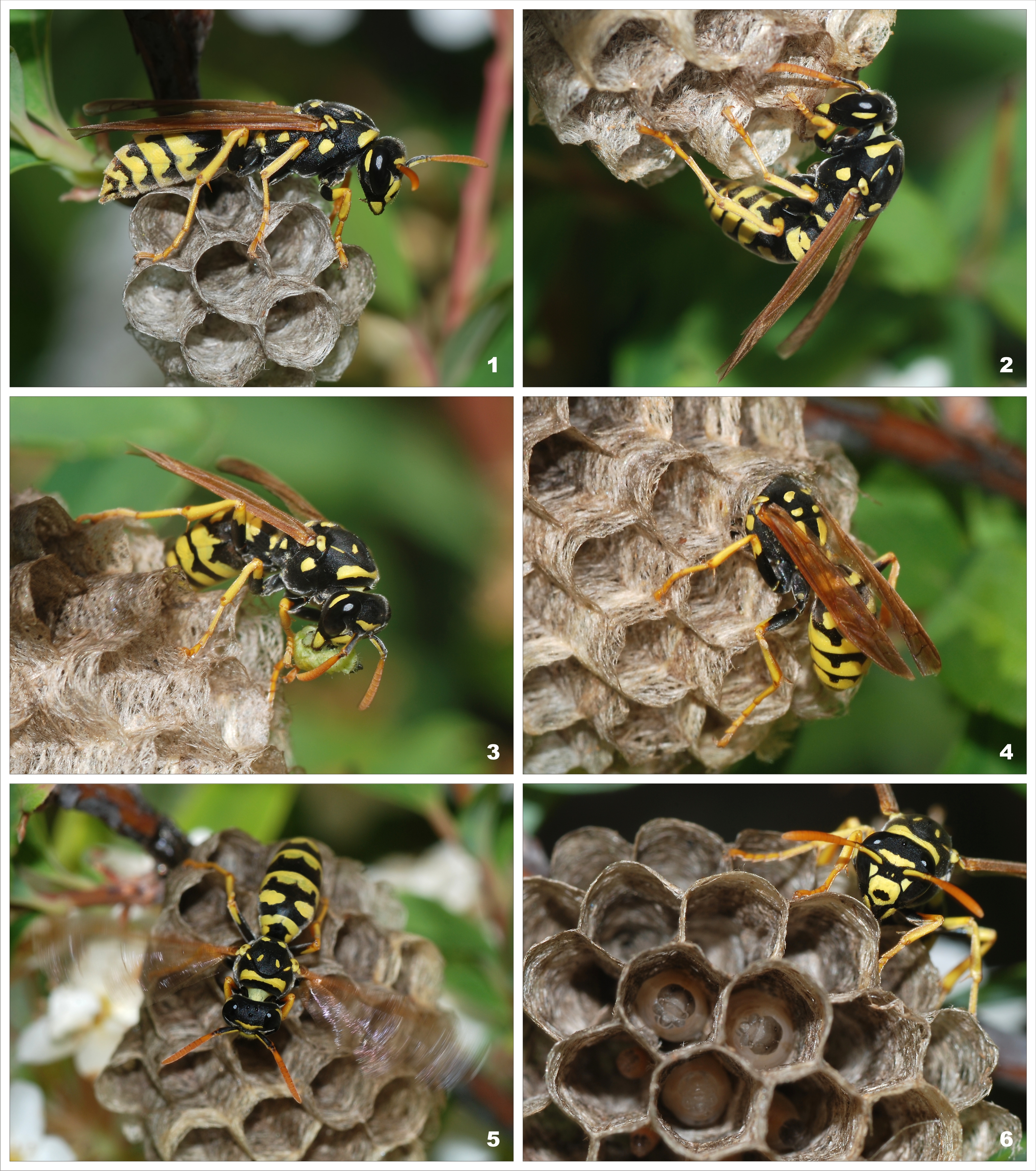
Stinging insects like paper wasps, yellowjackets, and bald-faced hornets pose painful risks to families and pets. Unlike honeybees, wasps and hornets have smooth stingers that allow them to sting repeatedly without dying, injecting venom that can trigger life-threatening anaphylactic shock in allergic individuals. Professional removal eliminates active aerial and in-ground nests safely using specialized personal protective equipment and high-reach equipment.
Warning Signs of Infestation
Early detection protects living spaces and structural wood before populations expand:
- Visible paper-like hexagonal comb nests beneath roof eaves or porch ceilings
- Large gray football-shaped paper nests hanging from high tree limbs or roof corners
- Continuous stream of yellowjackets entering and exiting a hole in the ground or siding
- Aggressive stinging insect swarms around outdoor dining tables or waste cans
- Insects buzzing inside wall voids or around attic access covers
Common Causes & Attractants
Understanding the environmental vulnerabilities that draw pests to residential properties:
- Protected overhangs, eaves, gutters, and soffits providing ideal nesting shelter
- Open trash cans, outdoor barbecues, and sugary drinks attracting foraging foragers
- Hollow spaces in exterior siding, electrical meter boxes, and attic louvers
- Abandoned rodent burrows in lawns providing ground-nesting sites for yellowjackets
- Warm spring and summer weather spurring queen colony foundation
Professional Service & Eradication Procedure
Trained technicians utilize a multi-step protocol designed for thorough eradication and long-term prevention.
Species Identification & Nest Sourcing
Determining whether the insects are paper wasps, yellowjackets, bald-faced hornets, or mud daubers to plan safe approach tactics.
Protective Equipment & Site Safety Setup
Clearing the treatment perimeter and donning full-body bee suits, heavy protective gloves, and veiled helmets.
Direct Nest Knockdown & Void Injection
Applying rapid-action freezing agents or aerosol foams directly into the nest entrance to neutralize aggressive defenders instantaneously.
Mechanical Nest Removal & Site Scraping
Detaching the entire physical nest structure, bagging it for disposal, and scraping away attaching pedicel anchor points.
Preventative Residual Eaves Treatment
Applying repellent residual formulations along eaves, peaks, and fascia boards to discourage new queens from rebuilding.
Homeowner Action Checklist
Practical steps property owners can take to prevent re-infestation:
- Keep outdoor garbage bins tightly lidded and clean up spilled sugary drinks immediately
- Inspect roof eaves, porch ceilings, and playsets in early spring for golf-ball-sized starter nests
- Seal cracks around attic vents, exterior fixtures, and siding joints
- Do not swat at wasps or hornets, which releases alarm pheromones that incite attacks
- Cover food and drinks when dining outside on decks and patios
Professional Safety Warnings
Critical safety protocols for residents, children, and pets:
- Never attempt to remove an active hornet or yellowjacket nest from a ladder; stings can cause falls
- Never seal a yellowjacket entrance in exterior siding while insects are active inside; they will chew into the living room
- Individuals with known stinging insect allergies must stay indoors and keep an epinephrine auto-injector available
Frequently Asked Questions About Wasp & Hornet Removal
Related Pest Control Services
Need Professional Wasp & Hornet Removal Today?
Speak with local pest control specialists who can evaluate your property and deploy proven eradication solutions.
Click to call directly on mobile
Wasp & Hornet Removal Available Across All 50 States
Explore local pest pressure and city services in your state: